
Choosing double glazing is not simply a matter of picking two panes of glass. The glass specification, spacer, uPVC frame, opening style, seals and installation all work together to determine how the finished window performs.
For homeowners comparing choose double glazing Brisbane, the most useful starting point is the complete window specification rather than one feature in isolation.
Quick Summary
The right package should be selected around the problems you want to solve — such as heat, glare, outside noise, condensation, security or comfort — and then matched to each window's size, orientation and use.
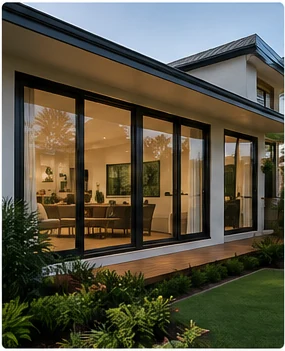
Start with the problem you want to solve
Before comparing quotes, identify what is actually uncomfortable in the home. A west-facing room that overheats in the afternoon has a different requirement from a bedroom beside a busy road. A room with condensation may need attention to glazing, ventilation and indoor humidity rather than simply a thicker pane.
For Brisbane homes, heat control is often a major consideration. In other homes, acoustic comfort is the priority. Writing these requirements down makes it much easier to compare suppliers because you can ask each one to recommend a specification for the same purpose.
Choose the glass specification carefully
Double glazing normally consists of two panes separated by a sealed cavity. But the panes do not have to be identical. Clear glass, Low-E glass, laminated acoustic glass and toughened glass can all have different roles depending on the window location and the required performance.
Low-E coatings can be useful where reducing unwanted heat transfer is important. Acoustic laminated glass may be more appropriate where traffic or neighbourhood noise is the main concern. Safety and size requirements can also influence whether toughened or laminated glass is appropriate.
Ask for the actual glass thicknesses and glass types in the quotation rather than accepting a generic description such as 'double glazed'.
Matched to Your Home
Select glazing and window configurations around orientation, room use, comfort and noise requirements.
Heat Control
Choose suitable glazing and shading strategies for rooms that receive significant solar exposure.
Acoustic Comfort
Use appropriate glass and frame configurations when traffic or neighbourhood noise is a priority.
Complete System
Consider the glass, spacer, uPVC frame, seals, hardware and installation as one system.
Why the spacer and cavity matter
The space between the panes is part of the insulating system. A wider cavity can influence thermal and acoustic performance, but the best result is not simply a matter of choosing the largest possible gap.
The spacer also forms part of the sealed insulating glass unit. Its design and edge performance can affect how efficiently the glazing performs over time. This is one reason a complete window specification is more useful than comparing glass alone.
Select the right uPVC frame and opening style
The frame affects thermal performance, weather sealing, rigidity, appearance and how the window operates. A quality uPVC system can provide a thermally efficient frame while also supporting effective seals around the opening.
The opening style should suit the size and purpose of the window. Tilt-and-turn windows can provide flexible ventilation and a strong compression seal when closed. Sliding, awning, casement and fixed windows each have different strengths.
Large or heavy glazed panels should always be assessed as a complete system. Hardware selection, sash weight and the intended opening method can affect long-term operation.
Think about orientation and shading
A good glazing package works with the building rather than trying to solve every heat problem on its own. West-facing glass can receive strong afternoon sun, while north-facing and other orientations may have different solar exposure.
External shading, eaves, blinds and curtains can still be important even when high-performance glazing is installed. The best result usually comes from considering glazing, shading and ventilation together.
Compare complete quotes, not just prices
When comparing suppliers, check whether the quotations identify the glass, cavity or spacer, frame system, hardware, colour, window configuration and installation assumptions.
A cheaper quote can look attractive if it leaves out important components or uses a simpler specification. Ask what is included, what is excluded and whether the quoted performance relates to the glass alone or the complete window.
The complete window matters
A window is a system. The glazing, spacer, uPVC frame, seals, hardware and installation all contribute to the finished result. This is why a quote should identify the important components instead of simply saying that a product is "double glazed".
Comfort Windows & Doors supplies custom uPVC windows and doors for Brisbane, with service also available across the Sunshine Coast and Gold Coast.
Related Guides
Making the right choice
The best specification is not necessarily the most expensive one. It is the specification that addresses the conditions of the home, the orientation of the opening, the type of noise or heat you are trying to manage, and the way the room is used.
If you are comparing options, ask for a clear, like-for-like quotation and make sure the glass, frame, configuration and installation assumptions are easy to identify.
Thinking about upgrading your windows?
Tell us what you want to improve — heat, noise, comfort or a combination — and we can help you compare suitable uPVC double-glazing options.
Frequently Asked Questions
What should I ask for in a double glazing quote?
Ask for the glass types and thicknesses, spacer or cavity specification, frame system, opening style, hardware, colour, installation details and any available performance information.
Is Low-E glass always the best choice?
Not necessarily. Low-E can be very useful for thermal control, but the appropriate glass depends on orientation, solar exposure, acoustic requirements, safety considerations and the overall window design.
Is uPVC important in a double glazed window?
Yes. The frame is part of the finished window system. Its thermal properties, seals, rigidity and design all influence how the complete window performs.